

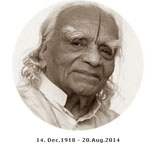
 分享以下我們閱讀的段落,摘自 Light on Life by BKS Iyengar – Stability the physical body (asana)…
在體位法練習中,記憶的功能可以讓我們比較昨日與今日修習的不同之處,讓我們確認自己是否向正確的方向進步。
但許多人只是重複過去的動作,他們體位法的表現就看起來刻板(mechanical),造成身心的淤滯。
一個體位法並不是以機械性完成的方式練習,而要去思惟/反思(thinking/re-thinking),創新並發揮,最後在 移動過程 與 阻抗力 (movement and resistance)之間達成平衡。
千萬不要只是機械式的重複練習:重複讓心變得遲鈍。
The role of memory in asana practice is to allow us to compare yesterday’s practice with today’s so we can see if we are progressing in the right direction.
But many people repeat what they have learned in the past, and their presentation of asanas becomes mechanical, which causes the body and mind to stagnate.
An asana is not a posture that can ever be assumed mechanically. It involves thought and therefore innovation and improvisation, at the end of which a balance is achieved between movement and resistance.
Never repeat: a repetition makes the mind dull.
不要讓過去的經驗在你的心裡形成烙印。每次練習體位法都要有全新的心態和全新的方法。
如果你只是重複以前的做法,那你就是活在記憶之中,你就是活在過去,那表示你不想超越過去的經驗,保留過去的記憶意指:「昨天我是那樣做的。」但一旦自問:「今天與昨天是否有所不同?」,我就有了進步,我是要前進還是後退?於是我們就懂得:如何在靜止的體位法中創造出活力,過去的記憶應該是我們的跳板,我們可以自問:「今天我能否比昨天有所進步?」。
日常生活 與瑜伽體位法練習 都是如此不斷的練習反思的。
Do not allow past experiences to be imprinted on your mind. perform asanas each time with a fresh mind and with a fresh approach. If you are repeating what you did before, you are living in the memory, so you are living in the past. That means you don’t want to proceed beyond the experience of the past. Retaining that memory is saying . “Yes, Yesterday I did it like that.” When I ask, “Is there anything new from what I did yesterday?” then there is progress. Am I going forward or am I going backward? Then you understand how to create dynamism in the static asana. That memory has to be used as a springboard from which you can ask yourself, “What more can I do than what I did yesterday?”.
This is equally true in life as in asana practice.